
My reasons
Why I’m leaving the public school system…

Hi friends! My name is Princess Owens. I’m a prek teacher at the intersection of early childhood development, conscious parenting & community aid/wellness. I recently began my journey centering mindfulness, emotional regulation & social emotional learning.
This is important to me because I am a neurodivergent mom(autism & adhd) to five kids that include two neurodivergent children. They were diagnosed with auditory processing disorder, anxiety & autism.
So here’s my why:
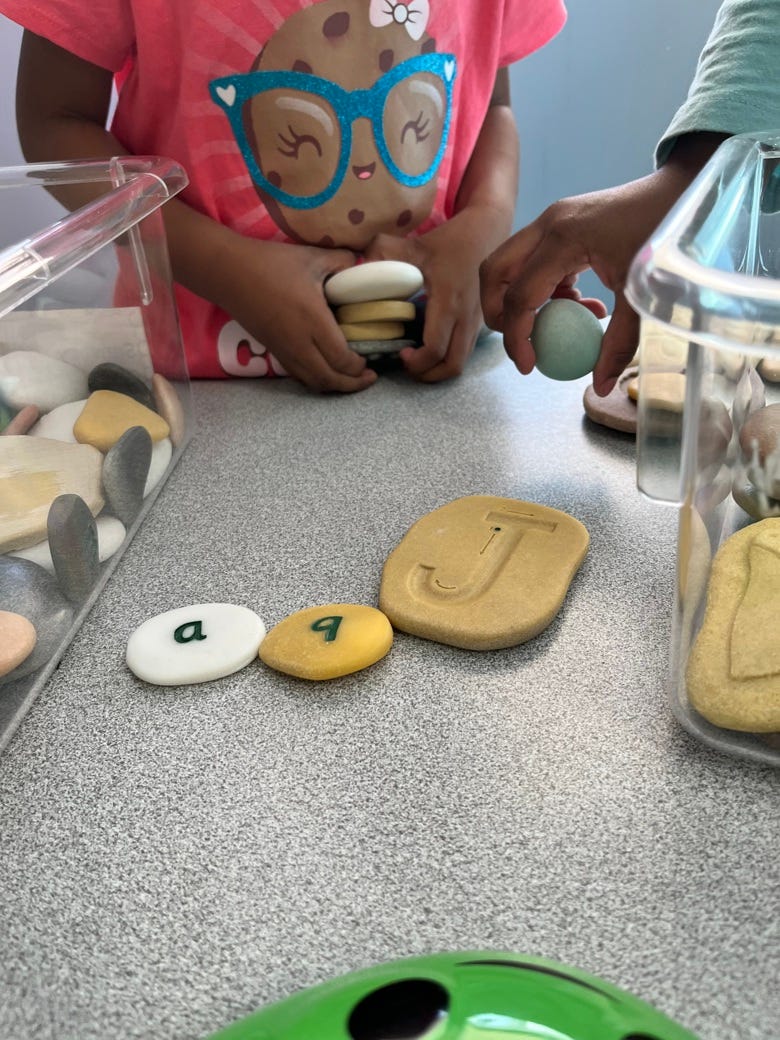
I recently went back to work as a preschool teacher and could not find an early learning program for my 2 year old nonverbal child with autism. It has been frustrating leaving him home with his elderly granny while I work. Although he is receiving in-home services through early intervention, I still would like for him to have a more holistic experience. I think it’s important for him to find his tribe aside from the people in his household. I am sure there are other parents and caregivers that feel the same way about their little ones. It is pure devastation trying to navigate the intersection of childcare and early learning for neurodiverse children.
There is a tremendous need. And a Montessori style program that parents & caregivers can trust may be a remedy. Thanks to systemic inequity, Montessori is often not accessible to Black & Brown communities.
While this is disheartening, I aiming to be part of the solution. I am seeking to gain my Montessori certification to create my own hybrid education program for neurodivergent early learners. I want a free or at least affordable safe space where children like Ethan can receive the services they need while making connections and building community.
While I love working with my students in a public school setting, I feel there is a greater need for me to be elsewhere. That elsewhere is limitless in the world of Montessori.
Here are 5 benefits of Montessori style learning for diverse learners:
Personalized Learning: Montessori education emphasizes individualized learning, allowing each student to progress at their own pace. This approach is particularly beneficial for diverse learners as it caters to their unique strengths, needs, and interests, fostering a truly inclusive learning environment.
Multi-Sensory Learning: Montessori classrooms often incorporate hands-on, experiential learning activities, providing diverse learners with multiple ways to engage with and internalize new concepts. This multi-sensory approach can be especially advantageous for students with diverse learning styles and preferences.
Inclusivity and Diversity: Montessori education promotes respect for individual differences and celebrates diversity, creating a supportive and inclusive community where diverse learners feel valued and embraced for who they are. This inclusive environment can contribute to a sense of belonging and confidence in students from various backgrounds.
Self-Regulation Skills: The Montessori approach encourages the development of self-regulation and independence, which can be empowering for diverse learners. By fostering self-awareness, self-control, and autonomy, this style of learning equips students with vital skills for managing diverse learning challenges and navigating varied academic tasks.
Holistic Development: Montessori education values the holistic development of the child, addressing not only academic growth but also social, emotional, and physical well-being. For diverse learners, this comprehensive approach can support their overall development and help them thrive in a nurturing and balanced educational setting.
I desire to provide a great inclusive learning experience for other children like him. If you like my content feel free to contribute. I could use the extra support. Thank you all for your help!
https://ko-fi.com/themultiplemom/goal?g=41
- A mom, who is desperately ready to leave public school.